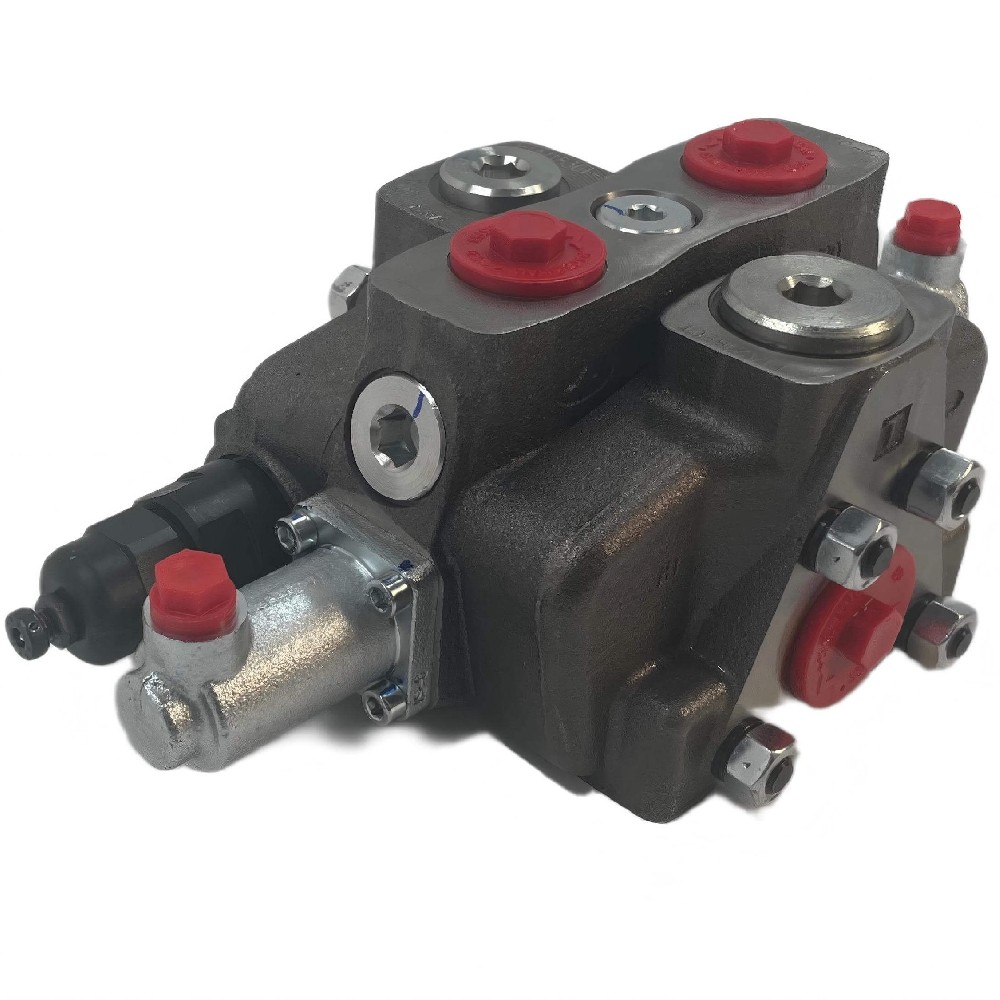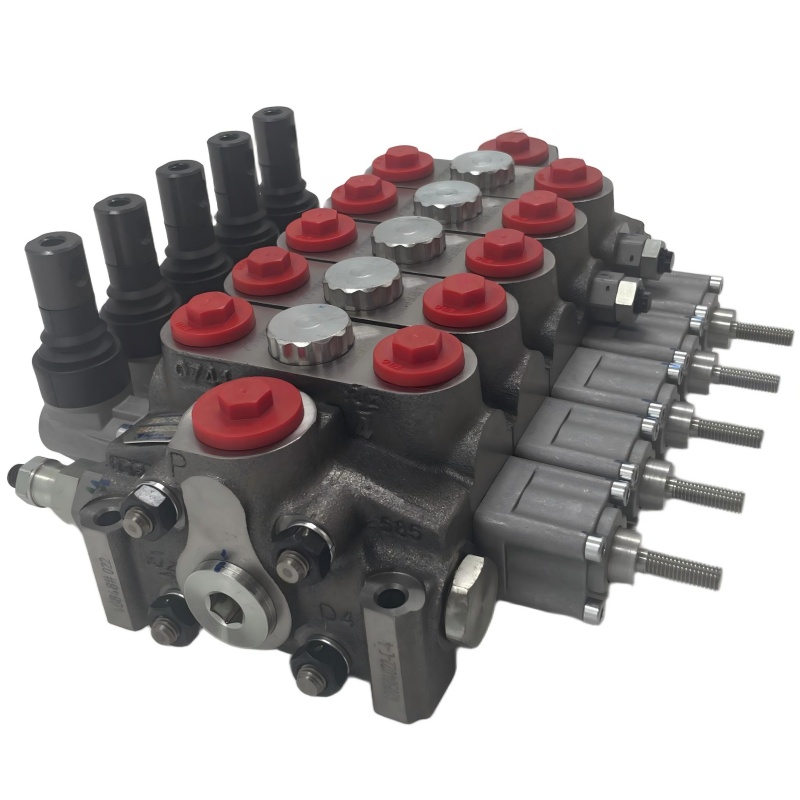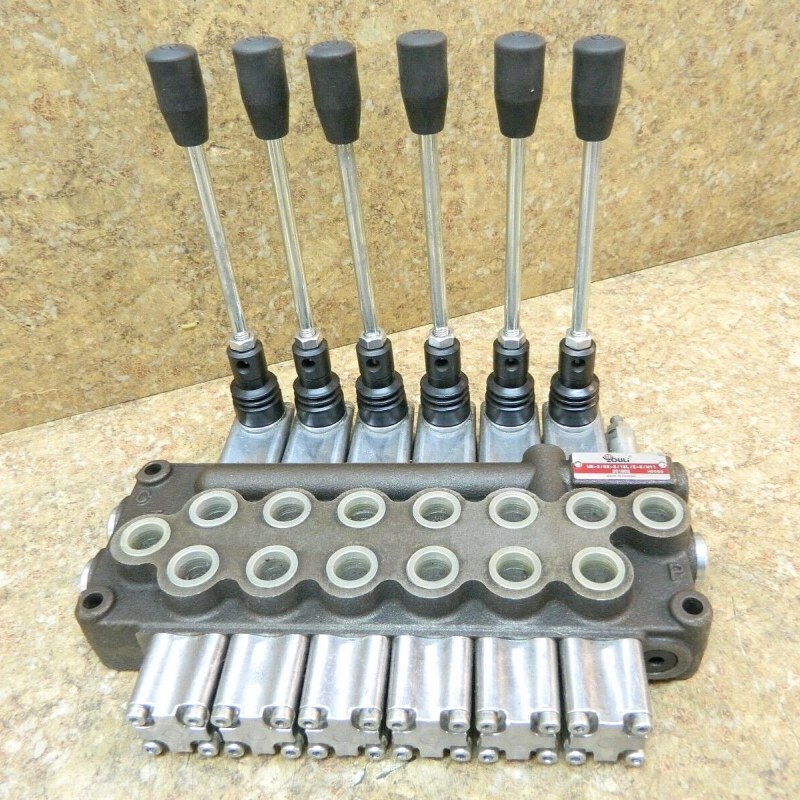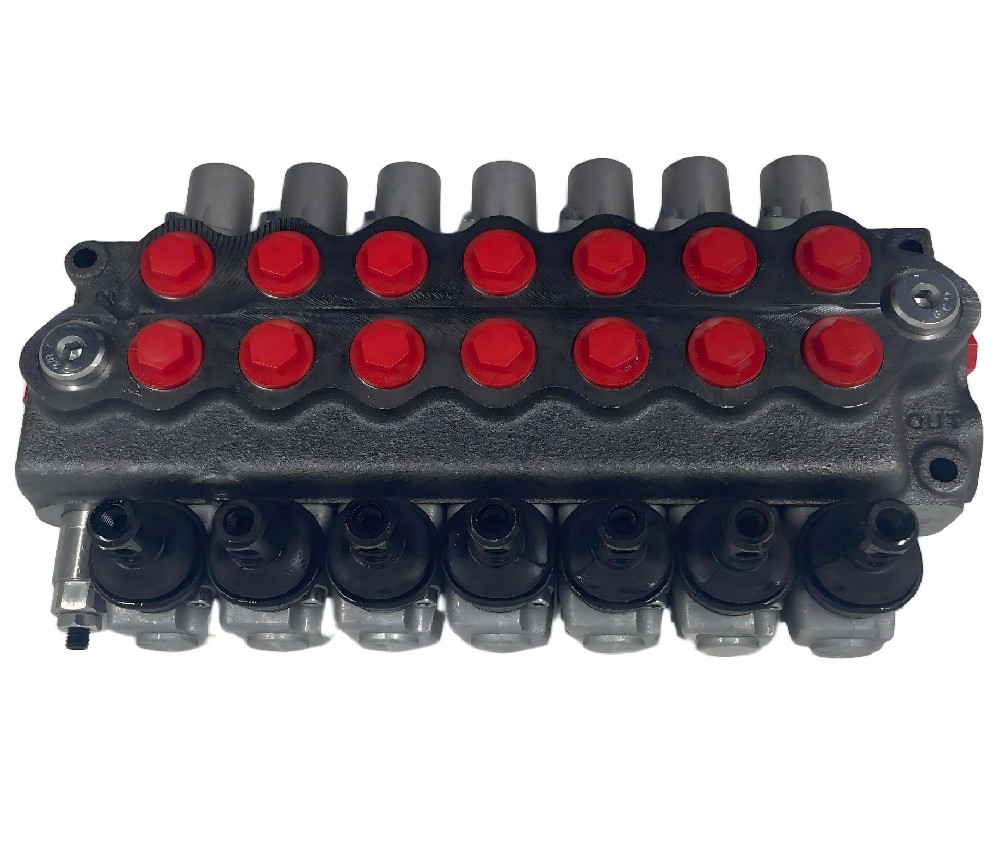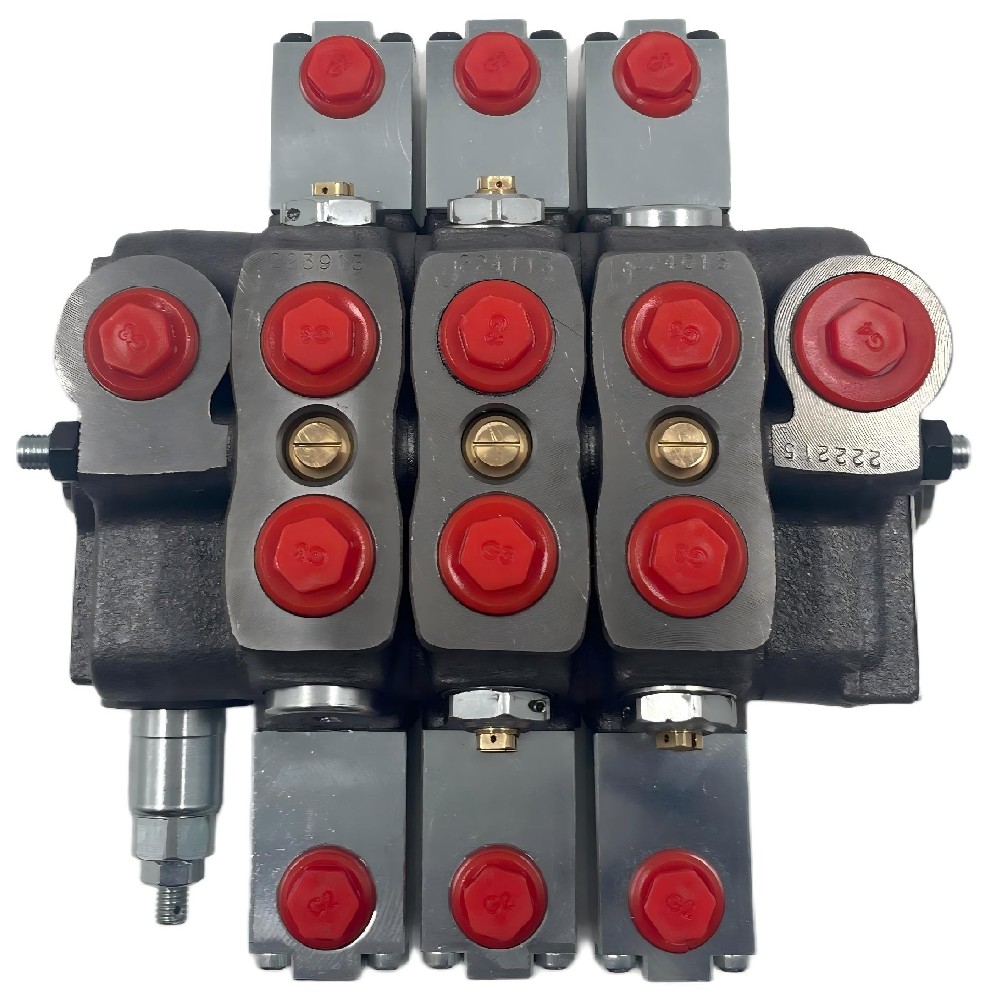
Modern mobile machinery relies on hydraulic systems that must respond reliably under changing loads,harsh environments,and continuous operation.The YOULI SN-3/3S-3(175)/28L/28L/28L/G334 is designed to address these operational requirements by combining the functionality of hydraulic pilot control valve architecture with the reliability of hydraulic manual control valves.This combination allows equipment operators to manage multiple hydraulic functions with stable response and straightforward mechanical operation.
With a rated pressure of 31.5 MPa and a rated flow capacity of 50 L/min,the SN-3/3S series fits well within the operational range of medium-scale mobile hydraulic systems.It is commonly integrated into equipment where durability,simple control mechanisms,and predictable hydraulic performance are more valuable than complex electronic control.
Hydraulic Control Demands in Mobile Equipment
Mobile hydraulic equipment operates in conditions that differ significantly from stationary industrial systems.Machines used in road rescue vehicles,marine environments,and construction equipment must function reliably while exposed to vibration,dust,moisture,and fluctuating loads.
In such systems,hydraulic circuits typically perform several tasks simultaneously.Lifting mechanisms,stabilizing arms,steering components,and auxiliary tools often share a single hydraulic power source.The directional control system must therefore distribute hydraulic flow efficiently while ensuring that each actuator receives the correct pressure and flow path.
This is where hydraulic manual control valves remain widely used.Even with the development of advanced electro-hydraulic control systems,many mobile machines continue to rely on manual or pilot-operated valves due to their durability,simplicity,and ease of maintenance.
The YOULI SN-3/3S series is designed precisely for these environments,where dependable hydraulic control is more important than electronic complexity.
Positioning of the SN-3/3S Valve in Mobile Hydraulic Systems
Within mobile hydraulic circuits,the SN-3/3S valve operates as a multi-section control component responsible for directing hydraulic oil toward different actuators.The design integrates manual operation with pilot-assisted hydraulic control,providing flexibility for equipment designers.
The manual control portion allows operators to directly adjust the hydraulic flow path through mechanical levers.Meanwhile,the hydraulic pilot control valve functionality enables smoother actuation and reduced operating force,particularly when controlling larger hydraulic loads.
This hybrid control approach is especially useful in equipment that must operate for extended periods,where operator fatigue and precise control become important considerations.
Because the valve integrates multiple control sections into a single body,it can function as a compact hydraulic control center within the machine’s hydraulic circuit.
Engineering Characteristics and Operational Impact
Understanding how the valve’s technical characteristics affect system performance is more valuable than simply reviewing specifications.
Pressure Capacity and System Reliability
The SN-3/3S valve is rated for 31.5 MPa,a pressure level commonly used in mobile hydraulic systems.This pressure capability ensures that the valve can handle the high loads associated with lifting operations,stabilization systems,or hydraulic drive components.
Stable pressure management contributes directly to equipment reliability.When directional valves maintain consistent sealing and structural integrity under load,the hydraulic circuit can operate without pressure drops or internal leakage that might compromise performance.
Flow Capacity and Equipment Response
With a 50 L/min flow capacity,the valve is suited to medium-flow hydraulic systems where actuator speed must remain consistent without requiring oversized pumps.
Properly matched flow capacity ensures that hydraulic cylinders or motors operate smoothly.If flow capacity is insufficient,actuator movement becomes slow or inconsistent.Conversely,excessive flow can introduce unnecessary energy losses and heat generation within the system.
The SN-3/3S valve’s flow capacity aligns well with many types of mobile hydraulic equipment used in transportation and service applications.
Control Methods:Manual and Pilot Operation
One of the defining features of this valve is the combination of manual control and pilot hydraulic control.
Manual control provides direct mechanical input from the operator,making it suitable for equipment where tactile feedback and immediate response are important.
The pilot control feature assists hydraulic actuation by using pressure signals to help move the internal spool.This reduces the physical effort required from the operator and allows smoother transitions between hydraulic functions.
For equipment used in road rescue operations or marine systems,this combination provides a balance between operator control and hydraulic efficiency.
Hydraulic Port Configuration
The valve uses standard BSP threaded ports:
P,A,B ports:G3/8
T return port:G1/2
Standardized port dimensions simplify integration into existing hydraulic circuits and allow compatibility with widely available fittings and hoses.In mobile machinery where serviceability is important,standardized ports reduce maintenance complexity.
Application Scenarios in Mobile Hydraulic Equipment
Directional control valves of this type are used across a wide range of hydraulic machinery.The SN-3/3S is particularly suitable for equipment that requires reliable multi-function hydraulic control.
Road Rescue Vehicles
Rescue vehicles often include hydraulic lifting arms,stabilizers,and tool systems.These components must be controlled accurately while operating under unpredictable load conditions.
The valve’s manual control system allows operators to respond quickly during emergency operations,while pilot assistance helps maintain smooth actuator movement.
Marine Hydraulic Systems
On ships and service vessels,hydraulic systems may control cranes,lifting mechanisms,or deck equipment.Reliability is especially important because maintenance opportunities may be limited during operations at sea.
The SN-3/3S valve provides stable directional control without requiring complicated electronic components that might be sensitive to moisture or vibration.
Construction and Engineering Equipment
Hydraulic equipment used in construction frequently requires several actuators to operate in coordination.Integrated valve manifolds simplify hydraulic circuit design and reduce external piping.
In this context,the SN-3/3S acts as a centralized control element,distributing hydraulic oil to multiple work functions within the machine.
Mobile Hydraulic Platforms
Equipment such as mobile lifting platforms or service vehicles also rely on compact hydraulic systems.The combination of pilot assistance and manual control ensures reliable operation even in confined equipment layouts.
Hydraulic System Integration Considerations
Integrating a directional control valve into a hydraulic circuit requires attention to several factors:pump capacity,actuator load,pressure requirements,and return flow management.
The SN-3/3S valve can be integrated into a variety of hydraulic systems because its flow capacity and pressure rating align with many standard mobile hydraulic pumps.
Engineers designing mobile equipment often prefer modular hydraulic valves that allow flexible circuit configuration.A valve with multiple sections simplifies the distribution of hydraulic oil while reducing the number of external hoses and fittings required.
This integrated design also reduces potential leakage points,contributing to long-term system reliability.
Operational Stability and Long-Term Maintenance
Hydraulic valves play a critical role in maintaining equipment stability over time.Because they directly regulate oil flow,internal wear or contamination can affect overall system performance.
The SN-3/3S valve is designed for environments where maintenance access may be limited but operational reliability is essential.Regular inspection of hydraulic oil quality,filtration systems,and mechanical control linkages helps maintain valve performance throughout its service life.
When properly maintained,manual and pilot-operated valves such as this model can provide stable operation for extended periods,even in demanding field conditions.
Selecting the Appropriate Valve for a Hydraulic System
Choosing the right directional control valve requires matching valve characteristics with system requirements.
The SN-3/3S model is particularly suitable when:
hydraulic pressure requirements approach 31.5 MPa
system flow demand is around 50 L/min
equipment relies on manual or pilot-assisted hydraulic control
the machine operates in mobile environments
It is especially appropriate for equipment where simplicity,durability,and operator control are more important than electronic automation.
However,in highly automated hydraulic systems requiring precise electronic control,electro-hydraulic proportional valves may be more appropriate.
Conclusion
The YOULI SN-3/3S-3(175)/28L/28L/28L/G334 directional valve provides a practical solution for mobile hydraulic systems that require reliable manual and pilot-assisted control.Its combination of hydraulic pilot control valve functionality and traditional hydraulic manual control valves design allows it to support a wide range of equipment applications,including rescue vehicles,marine systems,and construction machinery.
With a rated pressure of 31.5 MPa,a flow capacity of 50 L/min,and standardized hydraulic ports,the valve integrates effectively into many medium-scale hydraulic circuits.For engineers designing mobile equipment or maintaining hydraulic machinery,selecting a balanced control valve such as the SN-3/3S can help ensure stable operation and long-term system reliability.
FAQ
Q1:What is the role of a hydraulic pilot control valve in a hydraulic system?
A hydraulic pilot control valve uses hydraulic pressure signals to assist the movement of the main valve spool.This reduces the manual force required and allows smoother control of hydraulic flow.
Q2:How do hydraulic manual control valves differ from electronic control valves?
Manual control valves rely on mechanical levers or handles operated by the user,while electronic valves use electrical signals and solenoids.Manual valves are often preferred in mobile machinery because of their durability and simplicity.
Q3:What type of equipment typically uses the SN-3/3S valve?
This type of valve is commonly used in road rescue vehicles,marine hydraulic equipment,construction machinery,and other mobile hydraulic devices.
Q4:Why is flow capacity important in hydraulic valves?
Flow capacity determines how quickly hydraulic actuators can move.A valve rated for 50 L/min supports moderate actuator speeds typical in mobile hydraulic equipment.
Q5:What maintenance is required for hydraulic directional valves?
Routine maintenance includes monitoring hydraulic oil cleanliness,checking seals and fittings for leakage,and inspecting mechanical control linkages for wear or damage.
No.26, District 4, Maquanying Liyuan Community, Xiangjiang North Road, Cuigezhuang, Chaoyang District, Beijing.
+86 18221112592
https://www.hydraulic-supply-company.com