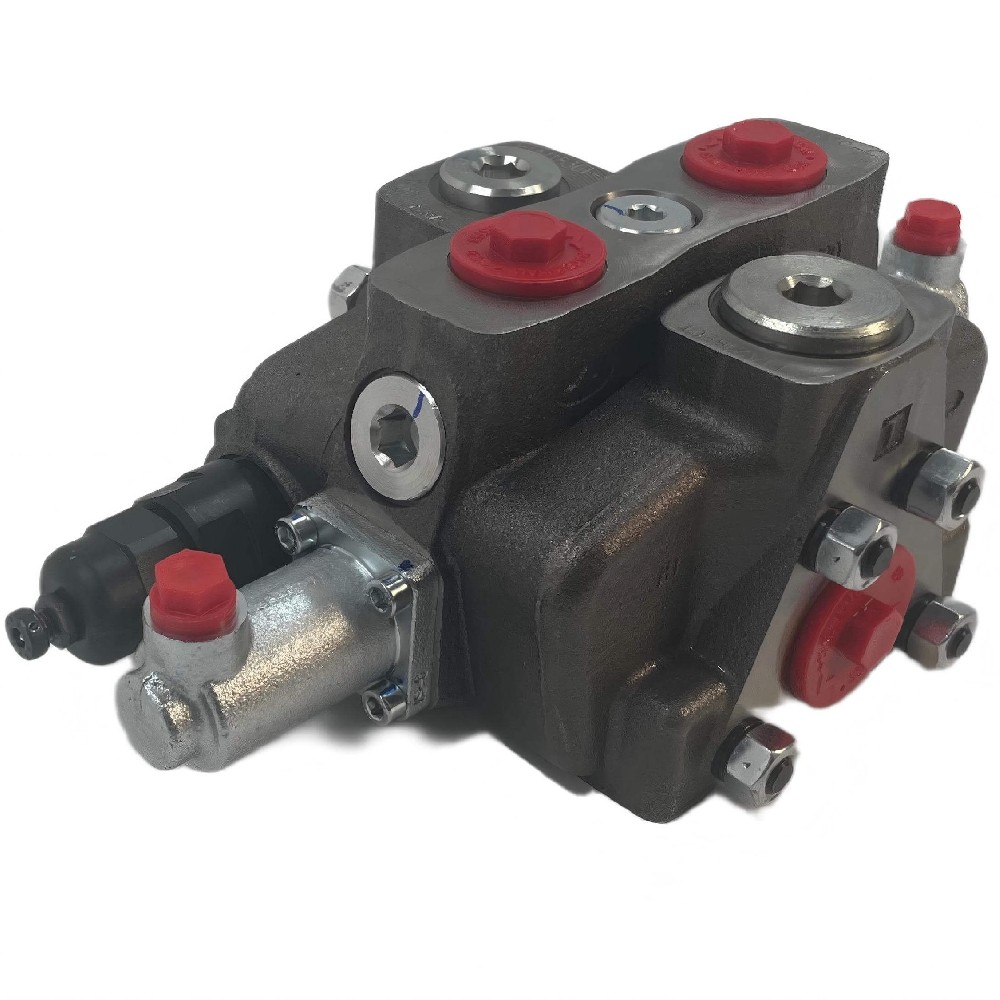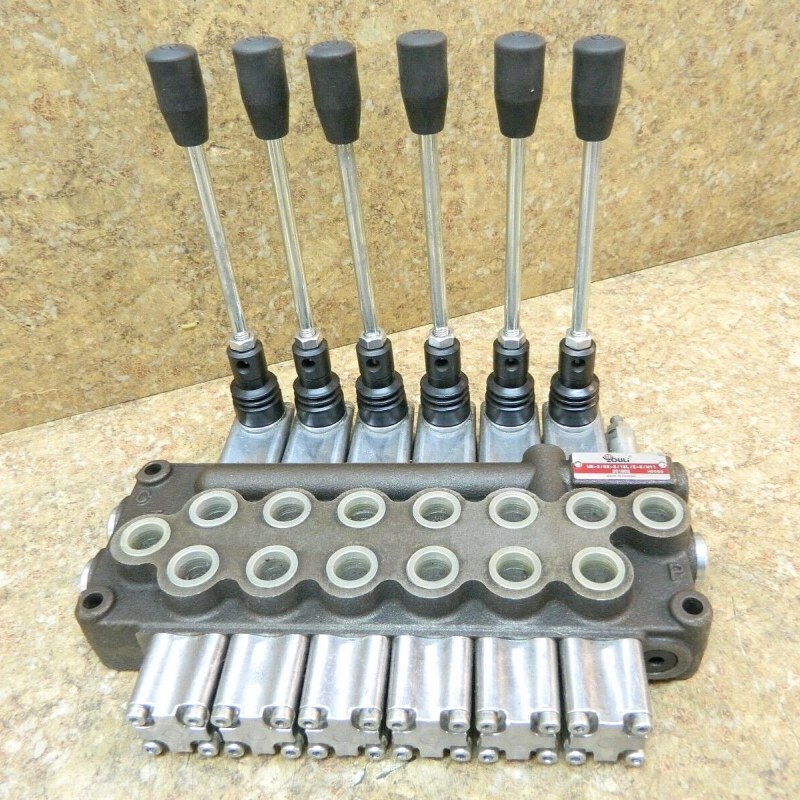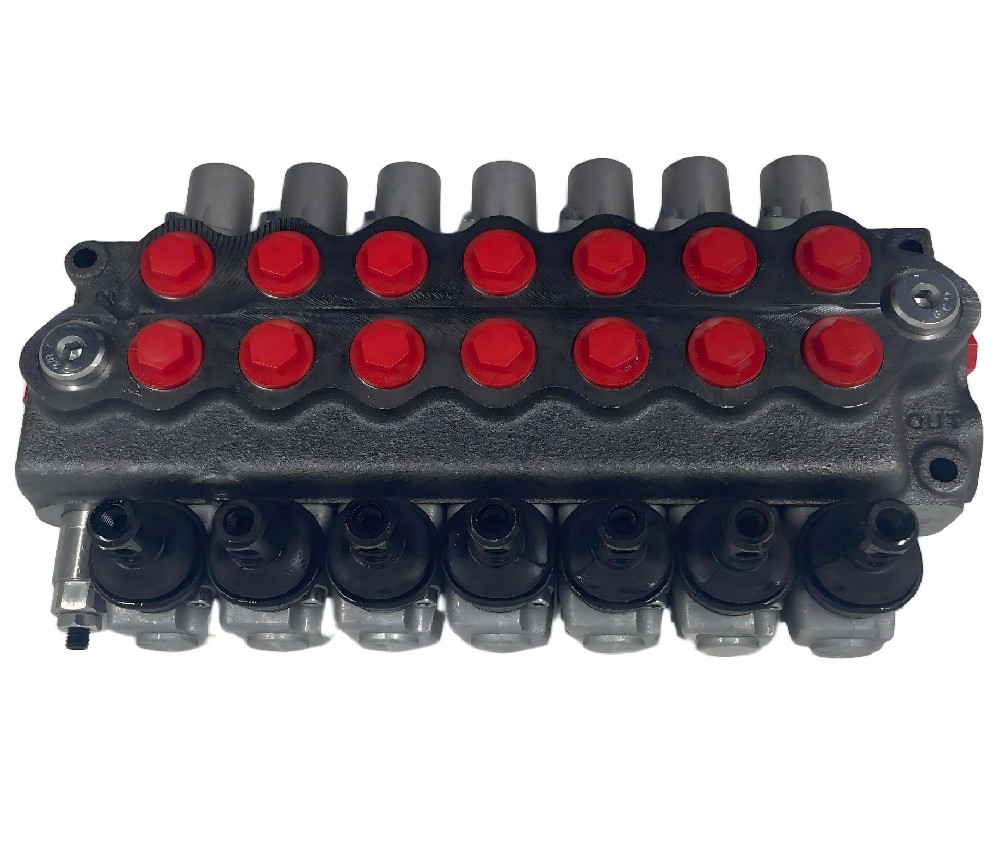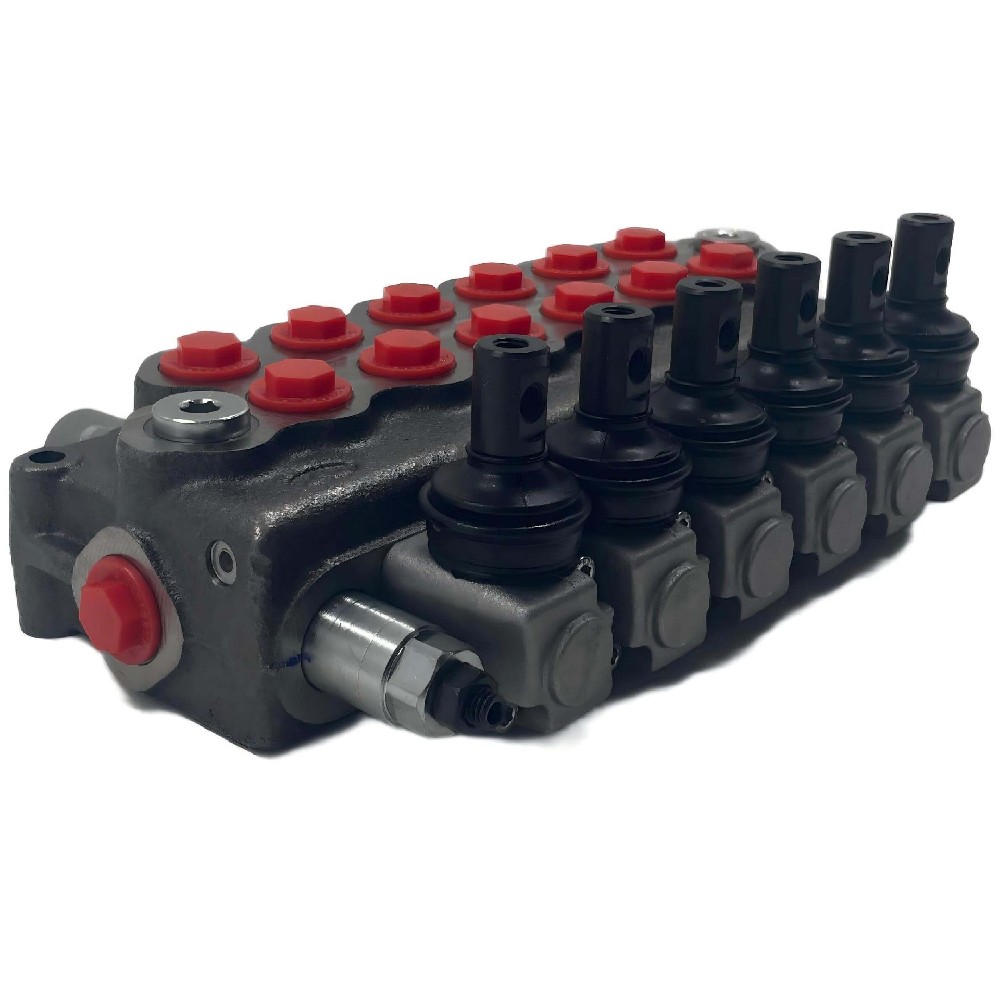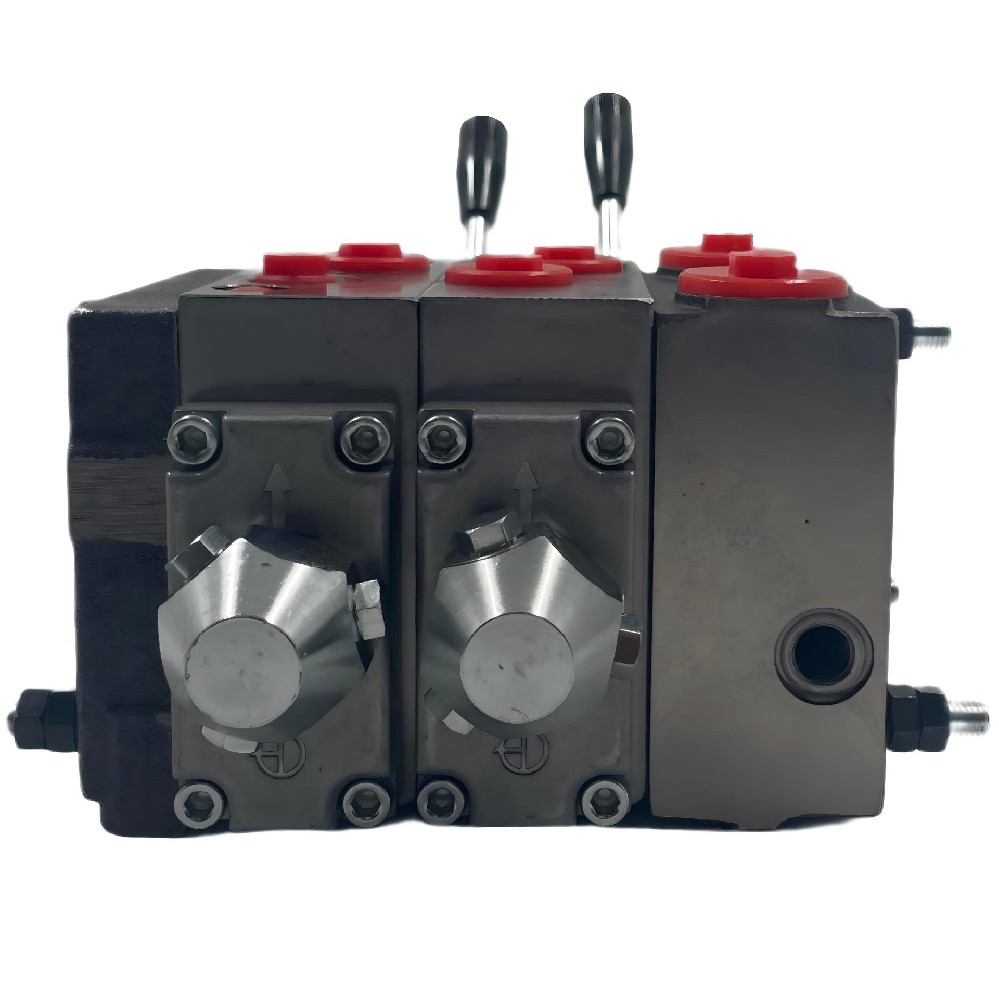
When a hydraulic system on a vessel or a piece of heavy construction equipment needs to execute a complex series of movements—such as the precise boom articulation on a concrete pump truck or the drill feed control on a mining jumbo—relying on a simple on/off solenoid valve often falls short.You need a component that can translate a variable electrical input into a proportional hydraulic output,offering the operator finesse without sacrificing power.The YOULI PV-4/2S is engineered precisely for this niche:it is a hydraulic proportional valve designed to function as a reliable electric hydraulic control valve for the most demanding mobile and industrial hydraulic circuits.
This article offers a deep technical dive into the PV-4/2S,moving beyond a simple datasheet to explore its internal architecture,its practical application in harsh environments like ship hydraulics and drilling rigs,and how it integrates into modern electro-hydraulic control systems.We will examine why this specific model,part of a broader family of YOULI proportional valves,has become a preferred choice for OEMs and system integrators who require robustness combined with controllability.
Addressing the Challenge of Mobile Hydraulic Control
In mobile hydraulics—think of a road construction machine or a hydraulic rock drill—the environment is unforgiving.Vibration,temperature extremes,and contamination are the norm.Furthermore,the machine's functions are often controlled remotely via a cabin joystick or an automated PLC system.A direct-operated manual valve is impractical for remote operation,while a standard directional control valve offers no speed regulation.
The PV-4/2S addresses this gap by acting as a pilot-operated interface.It takes a low-power electrical signal from a controller and uses it to modulate high-pressure flow to the actuators.This transforms a basic hydraulic circuit into a responsive,variable-speed system,enabling features like soft-start for conveyors or precise positioning of a drilling rod.This model is not merely a component;it is the enabler of sophisticated machine behavior in physically demanding settings.
The PV-4/2S in the YOULI Product Ecosystem
YOULI has built a reputation for high-quality hydraulic valves,including monoblock and sectional valves,as well as external controllers,with a focus on rigorous testing for long-term reliability.Within their proportional valve lineup,the PV-4 series occupies a crucial middle ground.It is designed for applications that require more flow than a simple cartridge valve can provide,yet does not need the full modularity or extreme flow capacity of a larger sectional valve setup.
The specific"4/2S"designation typically refers to a 4-way,2-spool configuration,meaning it can independently control two separate actuators(like a cylinder and a motor)or two functions of a single actuator(like the two ports of a cylinder).This makes it a compact"drop-in"solution for machinery with dual-function requirements.While our focus is on the PV-4/2S,the broader YOULI proportional valve family includes various configurations and sizes to meet specific performance and installation needs,ensuring that whatever the complexity of the circuit,there is likely a YOULI solution available.
Engineering the Flow:Technical Specifications and Capabilities
To appreciate the PV-4/2S,one must understand the engineering tolerances and performance metrics that define its operation.This is not a component for low-pressure drain circuits;it is built for the main pressure lines of heavy machinery.
Pressure Ratings:The valve is designed for a nominal operating pressure of 31.5 MPa(approximately 315 bar or 4,570 psi).This rating is critical for its use in high-force applications like clamping,lifting,and drilling.Both the P(pressure)and A/B(work port)lines are rated for this high pressure,ensuring no weak point in the main flow path.The T(tank)port,handling return oil,is rated for a much lower back pressure,typically around 4 MPa,which is standard for such designs.
Flow Capacity:The peak flow for this model is specified at 130 liters per minute.This substantial flow capacity places it firmly in the realm of medium-to-large hydraulic systems,capable of driving fairly sizable hydraulic motors or high-speed cylinders.It is this flow characteristic that makes it viable for applications like the swing drive on an excavator or the rotation drive on a drilling rig.
Control Options and Interface:True to its role as an electric hydraulic control valve,the PV-4/2S supports both manual and electro-proportional control.The electro-proportional option typically utilizes a robust solenoid rated for common industrial voltages(24V DC being the most common in mobile equipment)with standard,environmentally sealed connectors such as Deutsch or AMP,which are essential for resisting moisture and vibration.
Port Configurations:Recognizing that different machines have different plumbing requirements,the valve offers flexibility in port sizing.The A and B work ports are available in either G1/2”or G3/4”BSP threads,while the pressure(P)and tank(T)ports are typically the larger G3/4”to handle the main flow without excessive pressure drop.This adaptability simplifies integration into both new designs and existing system retrofits.
Technical Deep Dive:Pilot-Operated Precision
The internal architecture of the PV-4/2S is what truly defines its performance.It employs a pilot-operated design,which is a significant engineering choice that directly benefits the end-user.
In a pilot-operated valve,a small,integral pilot stage(controlled by the proportional solenoid)uses a small amount of flow to shift the position of a larger main spool.This design offers two distinct advantages:
High Flow with Low Power Input:The solenoids themselves only need to move the lightweight pilot spool,not the massive main spool.This allows the valve to control high flow rates(up to 130 L/min)with relatively low electrical power consumption,reducing heat generation in the control cabinet and the valve itself.
Superior Metering Characteristics:The PV-4/2S features a precision-engineered spool and sleeve arrangement.This tight-tolerance assembly minimizes internal leakage,which is crucial for energy efficiency and for holding actuator positions when the valve is centered.More importantly,it provides excellent metering characteristics,meaning the flow to the actuator is finely graduated relative to the electrical input.This results in smoother acceleration and deceleration of loads,reducing mechanical shock and improving the longevity of the entire machine.
Operational Integrity:The Importance of Filtration and Fluid
Deploying a hydraulic proportional valve like the PV-4/2S in the field requires a shift in mindset regarding fluid cleanliness.Unlike a rugged on/off valve,a proportional valve's precision spool has very tight clearances.Contamination is the primary enemy of performance and reliability.
For optimal performance and to protect the warranty,the system's hydraulic fluid must be maintained to a cleanliness level of ISO 16/13 or finer.This typically requires the use of high-quality return-line or offline filtration with a beta-rating appropriate for the application.Neglecting filtration can lead to spool stiction,erratic movement,or outright failure.The valve is designed to operate within a fluid viscosity range of 15 to 75 mm²/s and a temperature range of-20°C to+80°C with standard seals,making it suitable for most outdoor environments.
Target Applications:Where the PV-4/2S Excels
The robust pressure rating,high flow capacity,and proportional control of the PV-4/2S make it an ideal choice for a range of challenging applications,particularly where an electric hydraulic control valve is needed to interface with a central control system.
Marine and Offshore Hydraulics:Onboard ships,hydraulic systems control everything from cargo hatches and cranes to stabilizers and winches.The saltwater environment demands corrosion-resistant components and reliable sealing.The PV-4/2S is well-suited for controlling ship hydraulic systems,such as the operation of a deck crane's luffing and slewing functions,where smooth,controlled movement is essential for safety when lifting loads on a moving platform.The ability to control these functions remotely via an electric joystick is a significant operational advantage.
Mining and Tunneling(Rock Drills and Jumbos):Hydraulic rock drills and drill jumbos are among the most demanding applications for hydraulic components.They require high pressure for the percussive action and precise control for the feed and rotation.The PV-4/2S can be used to control the feed cylinder on a hydraulic drill rig,ensuring constant and adjustable thrust pressure to optimize drilling speed and prevent bit jamming as the drill steel penetrates different rock strata.Its shock and vibration tolerance is critical here.
Road Construction and Paving Machinery:Machines like asphalt pavers,curb and gutter machines,and road rollers rely on precise hydraulic control for material handling and machine propulsion.In a road construction machine,the PV-4/2S could manage the swing and positioning of a heavy screed or control the speed of material conveyors,ensuring a consistent mat quality and preventing material segregation.
System Integration and Compatibility
For the control systems engineer,the PV-4/2S presents a straightforward integration path.The valve is compatible with standard industrial control signals(typically 0-10V or 4-20mA when paired with the appropriate amplifier card).For mobile applications,it interfaces directly with the CAN bus-enabled joysticks and machine controllers commonly found on modern construction equipment.
The standardized electrical connectors ensure a waterproof and reliable connection.When integrating the valve,careful commissioning is required.This involves a step-by-step pressure increase and a series of test cycles to verify the valve's response to control signals and to adjust the ramp times to achieve the desired actuator behavior without causing pressure spikes or hydraulic shock.
Reliability and Long-Term Value Proposition
The value of the YOULI PV-4/2S extends beyond its initial purchase price.Its robust construction—typically utilizing cast iron and steel bodies—is designed to withstand the mechanical stresses of mobile equipment.YOULI’s manufacturing philosophy includes comprehensive testing of each valve—including flow,pressure,and leakage tests—before shipment,which is a key indicator of a manufacturer committed to minimizing issues in the field.
From a maintenance perspective,the valve's design allows for servicing without completely dismantling the hydraulic plumbing.The solenoid coils can typically be replaced without breaking hydraulic seals.Furthermore,the availability of various spool options means that as machine requirements evolve,the valve can often be re-spooled or re-configured to meet new flow or control characteristics,extending its useful life and protecting the capital investment.
Selection Criteria and Considerations
When specifying the YOULI PV-4/2S for a project,several engineering decisions must be made.The choice of G1/2"or G3/4"work ports depends entirely on the required actuator speed and the connecting hose sizes.The spool type(e.g.,closed center,motor spool,float position)must be selected based on the specific function being controlled.
It is also important to note the application's duty cycle.While robust,the valve is designed for intermittent operation typical of mobile and industrial machinery.For continuous,high-frequency cycling in a production line environment,the system designer must ensure that the tank line is adequately sized to handle the return flow and that the fluid is kept cool to stay within the valve's operating temperature window.The PV-4/2S is best applied where the combination of high pressure,significant flow,and proportional control is non-negotiable,and where a lower-capacity valve would be a point of failure.
Conclusion
The YOULI PV-4/2S represents a practical and robust solution for engineers tasked with designing or upgrading electro-hydraulic machinery.It successfully bridges the gap between the rugged simplicity of mobile hydraulics and the precision of electronic control.By offering high pressure and flow capabilities in a package designed for harsh environments,it provides the necessary foundation for machines that must perform reliably while offering the operator finesse and control.Whether it is guiding a drill bit through rock on a tunneling jumbo or managing a load on the deck of a ship,this electric hydraulic control valve stands as a workhorse component for modern hydraulic systems.
Frequently Asked Questions(FAQ)
1.What is the main difference between the YOULI PV-4/2S and a standard solenoid valve?
A standard solenoid valve is typically an on/off device;it is either fully open or fully closed,offering no flow regulation.The PV-4/2S,as a hydraulic proportional valve,can vary the flow and direction proportionally to an electrical input signal.This allows for precise control of actuator speed and direction,enabling smooth starts,stops,and positioning,which is impossible with a simple on/off valve.
2.My system has a maximum pressure of 300 bar.Is the 315 bar rating of this valve sufficient?
Yes,a valve rated for 315 bar(31.5 MPa)is suitable for a system operating at 300 bar,provided it is used within its flow limits.It is always good engineering practice to specify components with a pressure rating above the system's maximum operating pressure to provide a safety margin and accommodate pressure spikes.The PV-4/2S provides that necessary margin for 300-bar systems.
3.What kind of controller or amplifier do I need to run the PV-4/2S?
The proportional solenoids on the valve require a Pulse Width Modulation(PWM)signal,typically at a specific dither frequency,to operate smoothly.This signal is usually provided by a hydraulic valve amplifier card or a motion controller with integrated amplifier functionality.This card converts a low-power command signal(like 0-10V or 4-20mA from a PLC or joystick)into the high-frequency PWM current needed to shift the spool proportionally.You should select an amplifier that matches the coil voltage(usually 12 or 24V DC)and current requirements.
4.How can I troubleshoot if the valve response becomes sluggish or jerky?
Sluggish or jerky response is often a symptom of hydraulic fluid contamination.First,check the fluid condition and filtration.Contaminated fluid can cause the precision spool to stick.Next,verify the integrity of the electrical connections and ensure the control signal is stable and within the expected range.Finally,check for mechanical issues like a misaligned linkage or air in the system,which can cause erratic actuator movement.
5.Can this valve be used in an explosion-proof area?
The standard PV-4/2S is designed for general industrial and mobile use with robust,sealed connectors.It is not inherently certified as explosion-proof(Ex-proof).If the application is in a hazardous environment(e.g.,certain oil and gas or chemical processing areas),you must consult the manufacturer to see if appropriately certified solenoids and coils are available for the valve,or if alternative safety strategies are required.
No.26, District 4, Maquanying Liyuan Community, Xiangjiang North Road, Cuigezhuang, Chaoyang District, Beijing.
+86 18221112592
https://www.hydraulic-supply-company.com