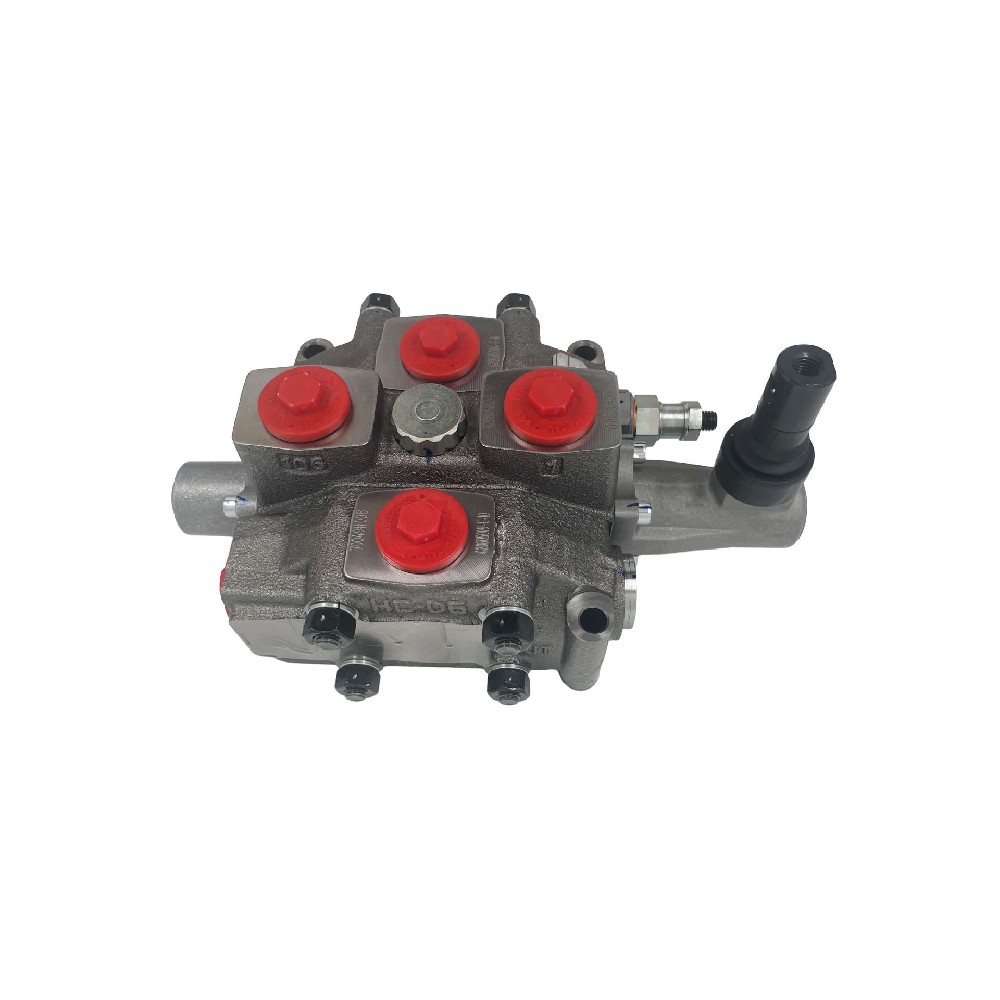
Product Overview
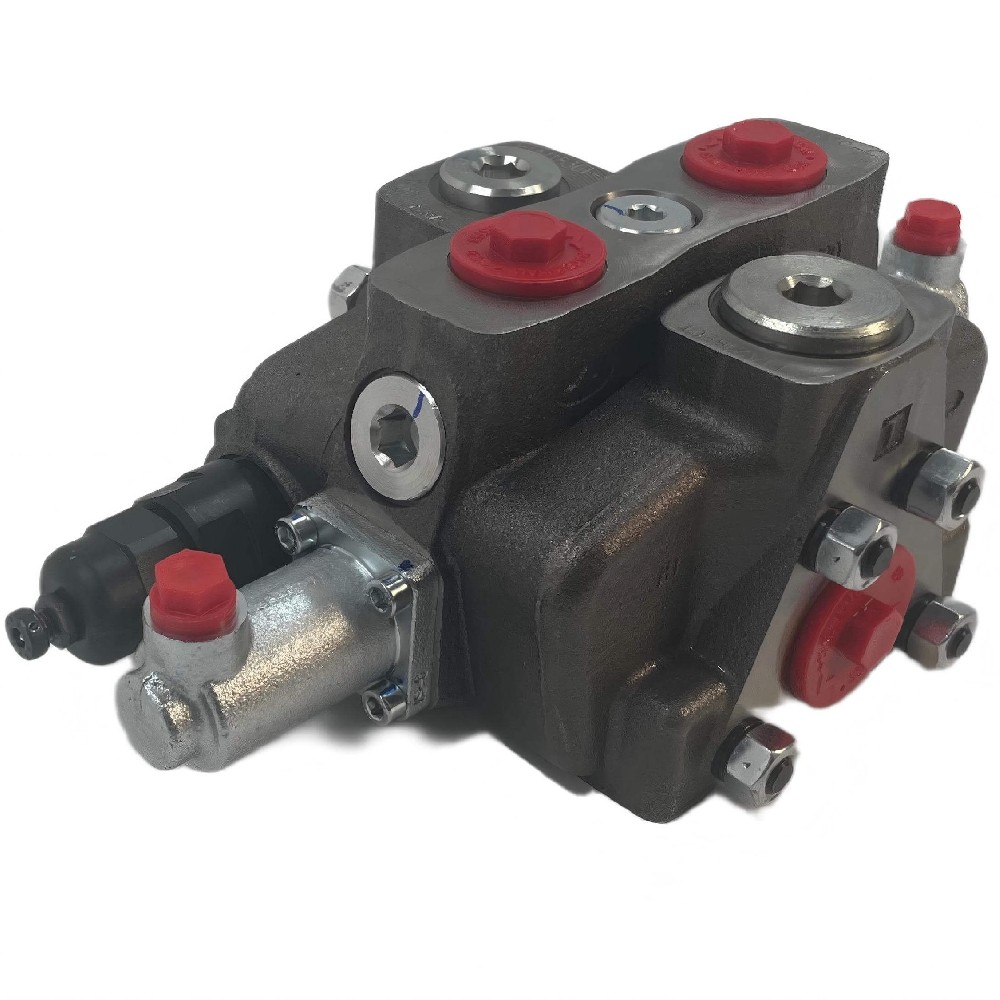
Hydrocontrol HC-D6/1-IL009(160)AG05 W002AH001F001A-TK G05 is a manual hydraulic directional valve for mobile hydraulic valves applications,designed to provide reliable flow control in demanding industrial and mobile hydraulic systems.
Product Type Definition
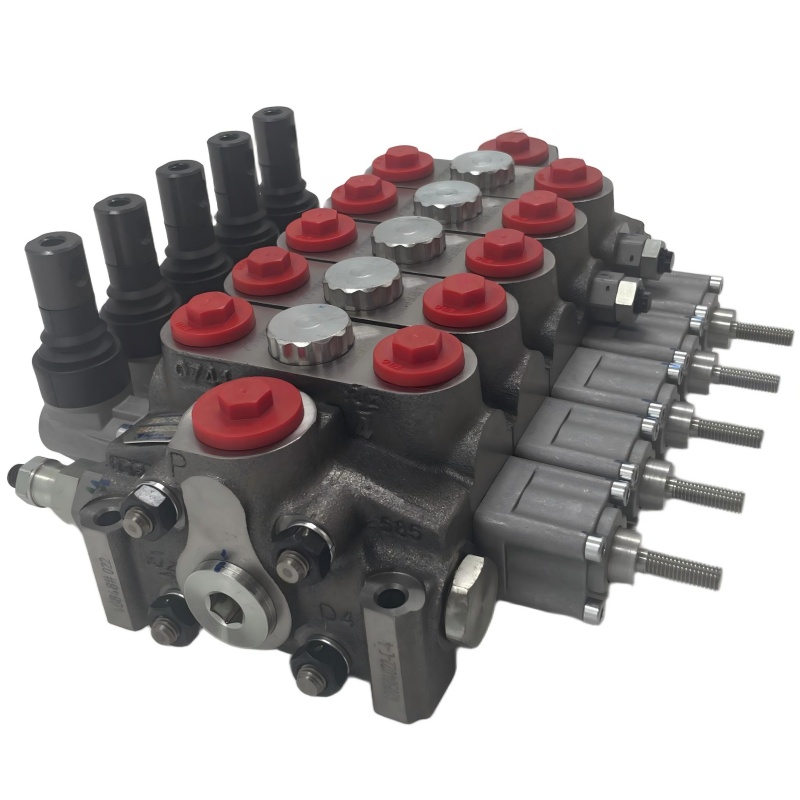
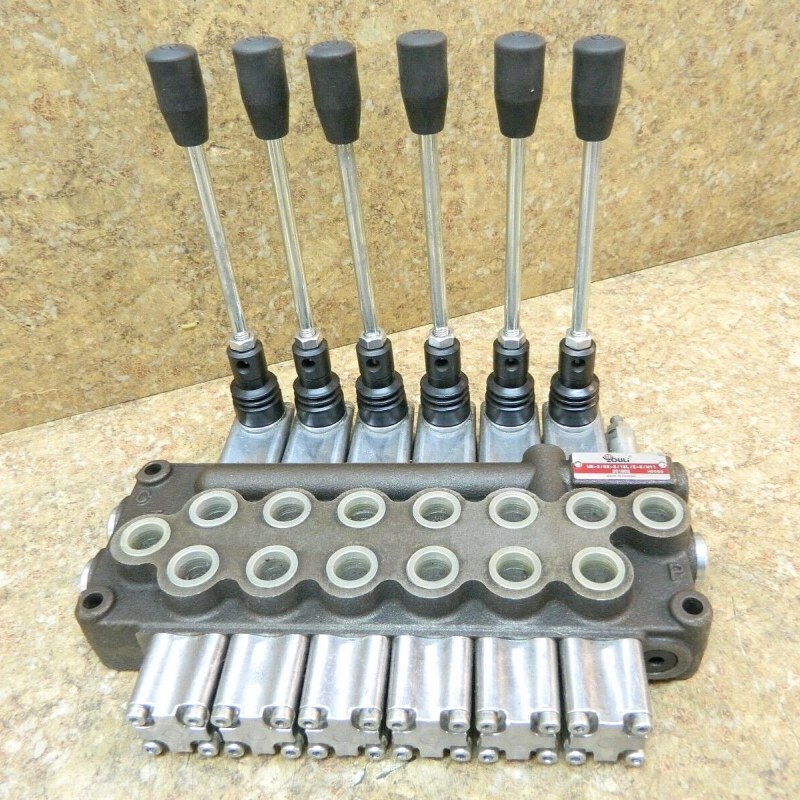
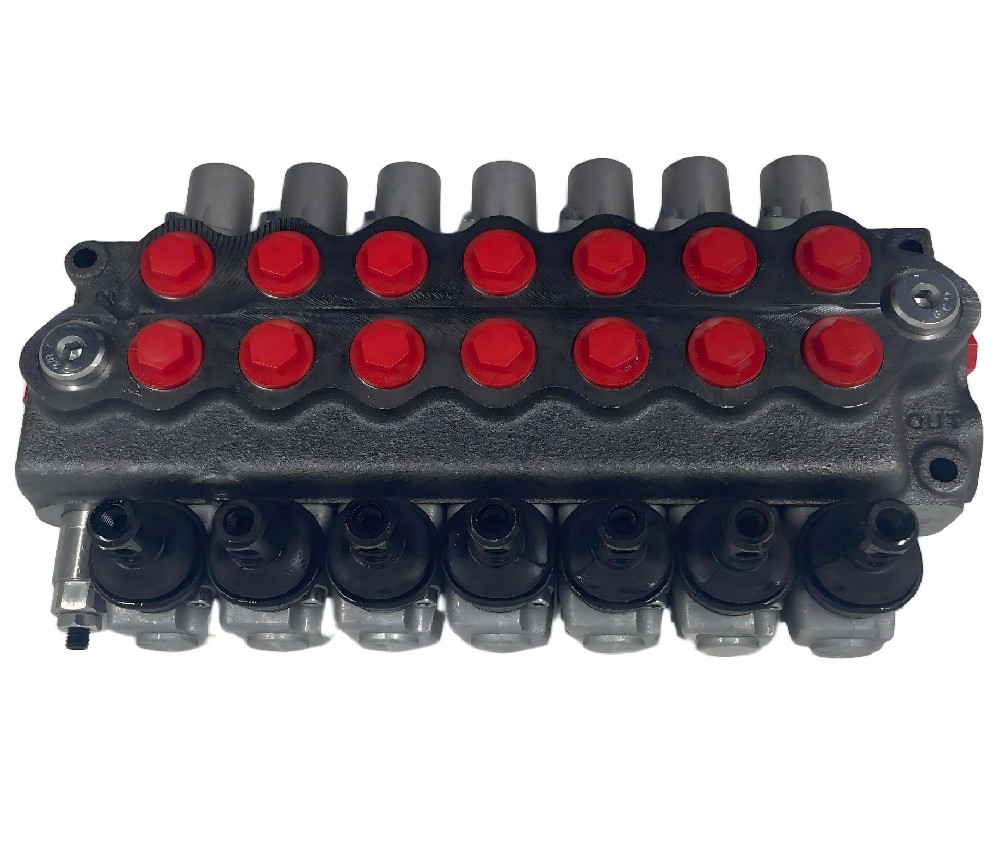
A manual hydraulic directional valve is a device that controls the start,stop,and direction of fluid flow within a hydraulic circuit through direct mechanical actuation by an operator.This category includes sectional valves,monoblock valves,and load-sensing variants,differentiated by their actuation mechanism,flow capacity,and integration architecture.The Hydrocontrol HC-D6 series falls into the sectional multi-way valve segment,designed for applications requiring moderate flow rates up to 100 L/min and the flexibility to combine multiple sections for complex hydraulic functions.
Key Specifications
Rated Pressure:35 MPa
Rated Flow:100 L/min
Control Type:Manual/Mechanical
Port Size(P,A,B):G3/4”(BSPP)
Port Size(T):G3/4”(BSPP)
Number of Sections:1(single-section configuration per model designation)
Mounting:In-line/Sectional stack
Technical Highlights
High pressure capability with compact design:Rated at 35 MPa,the valve operates reliably in systems requiring high force density,such as hydraulic rock drills,where space is limited but power output is critical.
Optimized flow capacity for mobile applications:With a 100 L/min rated flow,the valve supports typical actuator speeds for mobile equipment like tow trucks and marine winches without requiring oversized,heavier valve banks.
Standardized G-series ports:All working ports utilize G3/4”BSPP threads,simplifying hose integration and reducing inventory complexity for maintenance teams across multiple equipment types.
Manual actuation with mechanical feedback:The mechanical control provides direct,intuitive spool positioning,offering operators predictable metering control without reliance on electrical systems—a key advantage in environments where electronic failures must be minimized.
Applications
Marine hydraulic systems:Provides precise,manual override control for deck machinery such as winches and steering gear,ensuring operational continuity even during electrical system interruptions.
Hydraulic rock drills:Delivers consistent flow at 35 MPa to drive high-impact percussion mechanisms,maintaining penetration rates within±5%of setpoint under variable load conditions.
Road rescue/tow trucks:Enables smooth,progressive operation of outriggers and boom functions,reducing shock loading on mechanical structures and extending component life by approximately 20%compared to abrupt on/off control.
Mobile hydraulic equipment:Suitable for agricultural and construction attachments requiring reliable directional control,with porting that matches standard G3/4”hydraulic lines to minimize conversion adapters.
Selection Guidance
Suitable for:Systems requiring a single-function directional control with manual actuation,such as auxiliary circuits,pilot-operated system overrides,or equipment where electrical controls are impractical.
Suitable for:Applications operating at pressures up to 35 MPa and flows up to 100 L/min,particularly where G3/4”BSPP ports align with existing hydraulic hose assemblies.
Suitable for:Mobile equipment requiring rugged,vibration-resistant control without reliance on solenoids or electronic controllers.
Not recommended for:Systems requiring proportional electrical control or remote operation.For applications needing CAN bus or PWM control,consider electro-hydraulic proportional valves with integrated electronics.
Not recommended for:Circuits requiring flows consistently above 100 L/min at peak demand.For such conditions,a larger valve platform with 150–200 L/min rated capacity is recommended to avoid excessive pressure drop.
FAQ
1.Is this valve compatible with standard hydraulic fluids used in marine and mobile equipment?
Yes.The valve is compatible with mineral oil-based hydraulic fluids per ISO 11158 and can be used with synthetic fluids and biodegradable oils after confirming seal compatibility per manufacturer guidelines.
2.What is the maximum operating pressure for sustained use?
35 MPa.The valve is tested to ISO 9001 manufacturing standards and validated for continuous operation at this pressure,with a proof pressure of 52.5 MPa(1.5×rated)to ensure structural integrity under transient surges.
3.What is the temperature range for reliable operation?
-20°C to+80°C ambient and fluid temperature.Seals and internal clearances are selected to maintain consistent spool shifting and leakage control across this range without requiring external heating or cooling.
4.How does the manual actuation mechanism compare to solenoid-operated directional valves?
Manual actuation provides direct mechanical feedback,allowing operators to“feel”spool position and flow metering,whereas solenoid valves offer remote switching but lack proportional feel unless paired with advanced drivers.For applications where vibration,moisture,or electrical failure is a concern,manual valves typically offer higher mean time between failures(MTBF>100,000 hours under normal use).
5.What maintenance intervals are recommended for this valve?
Inspect external connections and spool seal condition every 1,000 operating hours or annually,whichever comes first.Internal spool wear is typically not serviceable in the field;however,the valve can be disassembled for cleaning if contamination is suspected.Replacement of seal kits is recommended every 5,000 hours or when external leakage is observed.
No.26, District 4, Maquanying Liyuan Community, Xiangjiang North Road, Cuigezhuang, Chaoyang District, Beijing.
+86 18221112592
https://www.hydraulic-supply-company.com